
Debt consolidation in the United States involves combining multiple loans into a single payment, which often results in lower interest rates and simplified payment structures. This financial strategy can be a game-changer for many individuals.
By streamlining monthly obligations, people find it easier to manage their finances and, ultimately, work toward financial freedom. Understanding the impact of this tactic on your overall financial plan is crucial when considering the best methods to achieve your economic goals.
The impact of combining financial obligations
Combining various financial obligations into one can significantly affect your financial planning and long-term goals. By opting for this strategy, you might benefit from reduced monthly payments, thus freeing up cash flow.
This newfound liquidity can enable you to allocate funds to savings, investments, or even emergency reserves. Furthermore, this approach might lower your financial stress, as managing a single repayment each month is generally less overwhelming than juggling multiple deadlines and amounts.
However, it’s essential to explore whether this consolidation is the right fit for your situation. Assess your financial habits, objectives, and current obligations. Some people might find that consolidating provides a clearer path toward financial security, while others may discover alternative strategies better suited to their unique needs.
Choosing the right consolidation method
Numerous methods exist to merge various monetary obligations, including personal loans, balance transfer credit cards, and home equity lines of credit. Each option has its benefits and drawbacks. Personal loans are often favorable for those with a good credit score, providing fixed interest rates and set repayment terms. Balance transfer credit cards can provide temporary interest relief but require discipline to pay off the debt before promotional rates expire.
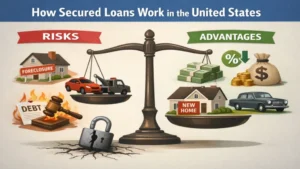
Home equity lines might offer the lowest rates but increase your financial risk by putting your home at stake. Thoroughly researching each option will help reveal which method aligns best with your circumstances. Consulting with a financial advisor might also provide insight into making an informed decision.
Long-term financial planning and final thoughts
Incorporating debt consolidation into your financial plan requires careful consideration of both short-term gains and long-term impacts. While reducing immediate financial pressures is appealing, creating a sustainable budget and maintaining sound financial habits remain paramount. Developing a comprehensive plan that includes debt repayment, savings, and investments should be your end goal.
In conclusion, while consolidating debts might offer relief and improve your financial outlook, it should be approached thoughtfully. Educate yourself on different consolidation options, seek professional advice when necessary, and remain committed to a disciplined financial strategy.
👉 Also read: Online loans in the United States: security and transparency in focus